.png?width=96&height=41&name=Cove_Logo_Updated%20(1).png "Cove_Logo_Updated (1)")
.png)
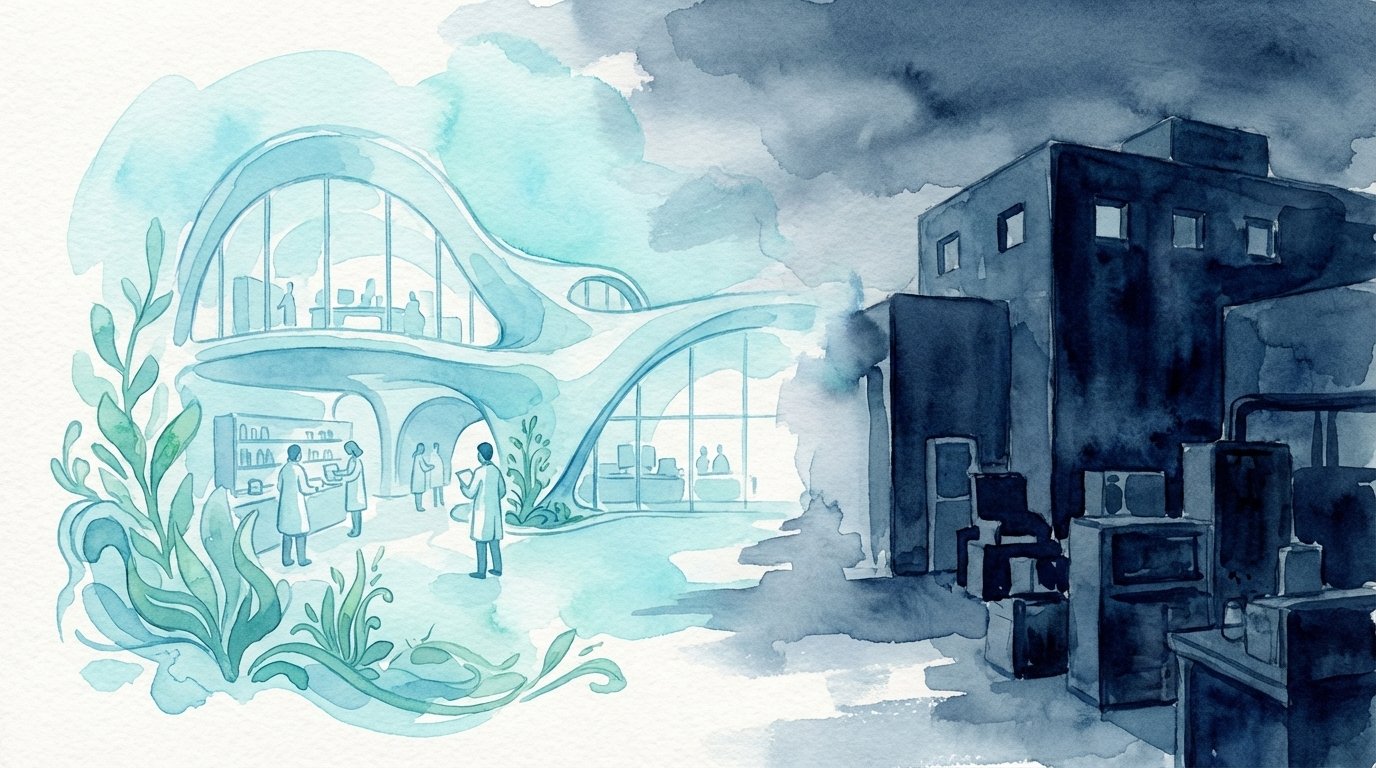
You can tell when a lab building runs well. People walk in and get to work without fighting the building. Requests get answered. Shared spaces run on clear rules. Deliveries reach the right hands. When something goes wrong, the response is calm and organized.
You can also tell when the opposite is true. People spend time chasing updates. A simple work order turns into five emails. A delivery lands at the wrong place. Someone reserves a room and finds it already taken. Small problems stack up until the building feels heavy.
That effortless feeling is not luck. It comes from the routines you run every day. In life science real estate, those routines matter more. The work inside is time-sensitive and hard to pause. A slow response is not just annoying. It can stall experiments, waste materials, and raise risk. Often, that consistency comes from having building operations software that brings communication and access firmly into a unified single system.
Effortless is a Chain of Small Certainties
Lab buildings feel effortless when people do not have to guess what happens next. They know where to submit a request. They know how fast you will respond. They know who owns the next step. They know what “done” looks like. When these certainties are missing, everyone fills the gap with workarounds and side chats.
You build certainty by treating each workflow like a short checklist. When these steps are standardized and visible in one place, teams spend less time coordinating and more time executing. A request is acknowledged. The priority is set. The owner is assigned. The requester gets a status update. The closeout includes a plain language note. None of this is fancy. It does take steady follow-through. When you do it the same way every time, the building starts to feel simple.
More eyes are on laboratory safety and risk planning. Recent materials from the Centers for Disease Control and Prevention highlight laboratory safety and point people to current biosafety guidance in the sixth edition of BMBL. When your issue reporting, access, and follow-up steps are clear, you make it easier for everyone in the building to do the right thing.
Work Orders that Protect Research Time
Work orders are where trust is won or lost. People submit a request because something is blocking work or creating risk. If your process does not respond fast, they stop believing the system. Then they start texting individuals. That is when priorities get messy.
Start with triage that is easy to understand. Most requests fit into three lanes. Lane one is life safety and critical building systems. Lane two is lab impact, meaning the issue affects spaces where scientific work is happening. Lane three is routine comfort and cosmetic work. Keep the wording simple and visible. Clear intake and routing become much easier when requests, updates, and ownership all live in the same workflow. When people understand the lanes, they stop trying to label every request as urgent.
Next, set a response promise that is based on acknowledgement and next step, not just completion. The U.S. Department of Energy Federal Energy Management Program guidance points to tracking work orders opened and closed as a practical way to understand workload and staff planning. You can extend that mindset. Track response time separately from completion time. A fast response can be as simple as “assigned to tech, site visit at 2 pm.” That one message can prevent repeated follow ups that waste your team’s time. Automated status updates can remove the need for constant follow ups while keeping everyone aligned on next steps.
Finally, close the loop with short notes that help. Write what you found. Write what you did. Write what to watch for next time. If the fix is temporary, say so. Then schedule the permanent fix. Over time, these notes turn into your building memory. Over time, capturing this information in a centralized system builds a reliable operational record that teams can actually use.
Maintenance that Acts Before Failure
Effortless buildings do not run on emergencies. They run on planned care of the assets that matter most. You still respond when something breaks. You just work to reduce how often it happens.
Start by naming your “cannot fail” systems for lab use. Exhaust and make up air are common examples. Emergency power and life safety systems are another. For these assets, you want a clear plan, a steady inspection rhythm, and a record of what happened. That record matters when you have to explain a downtime event or defend a budget request. Tracking inspections, history, and recurring issues in one place makes it easier to spot patterns before they turn into downtime.
Reactive work tends to create more downtime. Research summarized by the National Institute of Standards and Technology found that places that relied heavily on reactive maintenance were linked to much higher downtime than places that relied less on reactive work. Your building is not a factory. Still, lab teams feel the same pain when equipment fails at the wrong time.
Federal operations and maintenance guidance also notes that planned approaches can cut costs compared with purely reactive programs. One section cites estimated cost savings in the range of 12 to 18 percent over reactive maintenance programs. You can act on this without turning your program upside down. Pick the top twenty assets that cause the biggest disruption when they fail. Add a simple preventive schedule for each. Track repeat work orders tied to these assets. When you see repeats, schedule a deeper review and fix the pattern, not the symptom.
Amenity Reservations that Reduce Friction
Shared spaces are where small problems become daily stress. Conference rooms, training rooms, event areas, and building managed wellness rooms can turn into conflict points. Most of the time, the cause is simple. Booking rules are unclear. Or they change based on who is asking.
You can make shared space use feel effortless by putting the rules in front of the user. Set standard time blocks. Add buffer time when a room needs reset, clean up, or equipment checks. Limit who can book certain rooms and how far in advance. Then enforce the rules the same way every time. When booking rules, availability, and approvals are all managed through a single system, conflicts drop and usage becomes more predictable.
Guidance from the U.S. General Services Administration includes an example of using reservation tools for shared rooms and suggests extending reservation blocks to allow time for cleaning before and after use. Your situation may be different, but the lesson holds. If you need buffer time, you have to build it into the schedule. If you leave it to goodwill, it will get skipped on busy days.
Packages and Deliveries Without Risk
Package operations in a lab building are not a side task. They are part of reliability and safety. You may receive high value instruments, hazardous materials, and temperature controlled shipments. Some items cannot sit out for hours.
Start with chain of custody basics. If a shipment can create legal or safety risk, you need a clear handoff record. Guidance from the Federal Select Agent Program states that when select agents and toxins are sent to another area for packaging and shipping, chain of custody paperwork is required to document transfer. Your building may never handle select agents. Still, the idea helps. A named handoff cuts “lost package” time and keeps sensitive materials out of open areas. A structured intake and tracking process helps ensure nothing is lost between delivery and final handoff.
Next, build your receiving playbook around what regulated shipments look like. Federal hazardous materials rules for Category B infectious substances require triple packaging. That includes a primary receptacle, a secondary packaging, and a rigid outer packaging. The Pipeline and Hazardous Materials Safety Administration also provides plain language guidance for packing and marking, including the proper shipping name and the UN3373 marking used for many Category B shipments. You do not have to become a shipping expert, but your receiving process should not break the chain.
Then set a fast path for time sensitive deliveries. The CDC provides specimen packing and shipping guidance that discusses temperature ranges and packaging expectations for specimen submissions. Use that as a reminder that some boxes have strict handling needs. Define where cold deliveries go. Define who can accept them. Define what happens after hours. Require a named recipient on shipments that should never sit unclaimed. Then measure exceptions such as unknown recipients and repeat misroutes, and close those gaps with updated rules and training. Real-time visibility into deliveries and recipients reduces delays and removes guesswork for onsite teams.
Resource Checkout that Keeps Shared Items Safe
Resource checkout is the quiet backbone of a building that feels organized. When shared items are easy to borrow and easy to return, people stop hoarding carts, keys, and tools. When checkout is loose, items disappear. Then everyone wastes time searching or buying duplicates.
Treat checkout as a safety and quality habit, not just an inventory task. In good laboratory practice rules, written records are expected for inspection, maintenance, testing, and calibration work. Records of nonroutine repairs due to failure or malfunction are also expected. You can apply this thinking to shared building owned gear. If the item matters, you track its condition and its history.
A practical approach is to give every shared item two things: a clear identity and a clear home. The identity can be an asset tag and a plain name that matches your directory. The home is the shelf, closet, or cage where it belongs every time. Set a default checkout window. Send a return reminder. Add a simple check on return. When you link checkout to maintenance, you catch wear early and keep tools usable. Simple tracking and automated reminders help ensure items are returned on time and stay in working condition.
Directories and Contacts that Work at Two in
the Morning
Directories look boring until you need one fast. When a loading dock delivery arrives with a problem, your receiving team needs a name and a phone number. When an alarm triggers at night, someone needs to reach the right person without guessing. When a vendor shows up, security needs to confirm who approved access and which area is allowed. Keeping contact data continuously updated and accessible in one place makes it easier to respond quickly when timing matters.
Some of this is tied to safety requirements. Occupational Safety and Health Administration requires emergency action plans to include procedures to account for all employees after evacuation. That is hard to do when contact lists and occupancy records are stale. A clean directory supports emergency accountability and helps your team act fast under pressure.
Emergency contact posting is also emphasized in guidance linked to the laboratory standard. An appendix tied to the laboratory standard recommends that information be clearly posted indicating who to contact in an emergency, with special attention to unattended operations. In a multi-tenant building, you can support this by making it easy to maintain suite level emergency contacts, and by requiring a simple review on a set rhythm.
Hazardous materials shipping rules also show why contacts matter. Federal rules require an emergency response telephone number when certain hazardous materials are offered for transportation. The rule expects that the number reaches someone knowledgeable or someone with immediate access to that knowledge. A strong directory makes it easier for tenants and shippers to meet these expectations. It also reduces confusion during a real event.
Incidents, Waivers, and Forms that Reduce Risk
Effortless buildings handle incidents with a steady process. An incident can be a spill, a near miss, a security issue, an injury, or a building failure that could have been serious. What matters is that you capture accurate details, take action, and confirm the fix is real.
A strong incident program focuses on systems, not blame. OSHA publishes an incident investigation guide designed to help employers identify root causes and prevent repeat events. OSHA also explains that root cause analysis can prevent similar incidents when corrective actions fix deeper issues, not just surface problems. You can apply this with a simple structure. Document the scene. Collect facts. Identify root causes. Track corrective actions to completion. Then confirm the fix worked. Standardized reporting and tracking ensures issues are documented consistently and corrective actions do not get lost.
Waivers and forms are part of the same system when they are built around risk. OSHA laboratory safety guidance stresses that laboratory personnel must receive training about the laboratory standard, the chemical hygiene plan, and key protective measures. In bioscience work, guidance such as BMBL centers on risk assessment and mitigation as core ideas. Laboratory security guidance also points out that training should be documented through records such as training schedules and attendance. Your building forms should support these needs without burying teams in paperwork.
You can reduce paperwork load by designing forms around the moments that create real risk. Pre register recurring vendors and require the needed documentation before they arrive. Capture waivers and acknowledgements once, then reuse that data until it expires. Record who approved access, which areas are allowed, and what training was required. When you treat forms as a tool for safe access control and clear responsibility, people stop seeing them as busywork. Centralizing forms, approvals, and records reduces duplication while keeping compliance requirements easy to manage.
Cove is purpose-built for modern building operations, bringing work orders, preventive maintenance, tenant communication, access, and incident management into one connected platform. Instead of managing across disconnected systems, every workflow is structured, visible, and accountable in one place. Teams can consistently review repeat incidents, service requests, and delivery exceptions, confirm that corrective actions are completed, and identify patterns that point to deeper operational fixes. Automated updates keep everyone aligned without constant follow up, while centralized data creates a clear, reliable record across the building.
Over time, this is what makes a building feel effortless, where issues are handled quickly, nothing falls through the cracks, and operations run with precision. With Cove, teams move faster, reduce manual work, and maintain the consistency needed to keep even the most complex properties running smoothly every day.


.jpeg)

.jpeg)