.png?width=96&height=41&name=Cove_Logo_Updated%20(1).png "Cove_Logo_Updated (1)")
.png)
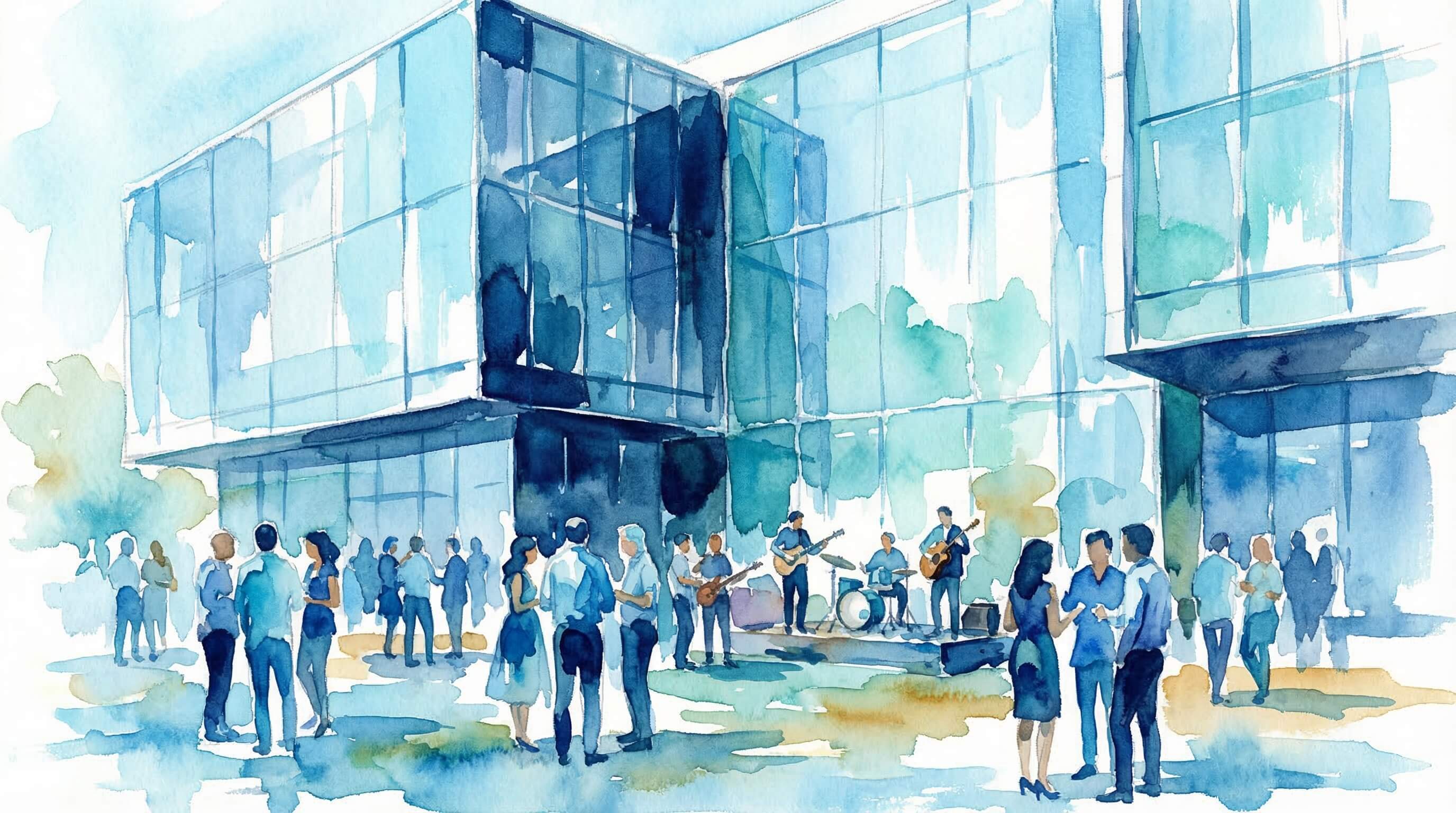
If you oversee a life science property, you’re likely seeing a new reality: offering great lab space alone isn’t enough. In major biotech hubs, laboratory vacancies have climbed sharply in recent years, giving tenants more choices and bargaining power[1]. In fact, around 61 million square feet of U.S. lab space is now on the market, three times the amount from just a few years ago, and over 220 life science buildings sit completely vacant[2].
With supply up and funding for startups tightening, life science landlords are facing tougher competition to attract and retain tenants. This is why leading property owners are discovering a new competitive edge: tenant experience. By turning buildings into thriving ecosystems of innovation, they’re differentiating their assets in an oversupplied market.
Investing in tenant experience isn’t just a feel-good strategy. It delivers concrete benefits. Life science companies tend to stay for the long haul when they find the right environment. On average, life science leases run about 142 months (nearly 12 years), roughly triple the term of a typical office lease[3]. And modern, amenity-rich lab facilities can command premium rents. One study found new or upgraded labs fetch up to 12% higher rent than older buildings[3].
In other words, keeping your tenants happy and your campus thoughtfully equipped can pay off in higher occupancy and returns. The key is understanding what biotech researchers and startups truly value in their day-to-day environment. Below, we explore how you can elevate tenant experience, from providing shared lab resources to building a genuine biotech community, and make your property a place where innovation thrives.
Provide Shared Labs and Equipment Access
Early-stage biotech companies often face a dilemma: they need expensive, specialized equipment to do cutting-edge research, but they can’t always afford to buy and maintain it all on their own. This is where you can step in and offer a win-win solution. By providing shared labs or centralized equipment that multiple tenants can use, you dramatically lower the barrier for startups to operate in your building. Incubators and co-working labs have proven the value of this approach; they give biotech startups access to fully outfitted lab space and high-end instruments that would be prohibitively expensive to build or buy independently[4].
For example, offering a common tissue culture room with top-notch microscopes, or a suite of core facilities (like autoclaves, centrifuges, and spectroscopy tools) available to all tenants, can make your property especially attractive to growing companies. Tenants save money and hassle, and you differentiate your building as a place that supports science at every step.
Of course, the logistics of sharing labs and equipment require careful management. A key piece of actionable advice is to implement a simple booking system for any shared resources. This could be a centralized calendar or a dedicated app where tenants reserve time on equipment or in shared lab rooms. It’s crucial that the system be easy to use. Nobody wants to wrestle with spreadsheets or multiple emails just to schedule the centrifuge. In fact, one biotech incubator in North Carolina found they were juggling seven different tools for conference room reservations, lab equipment bookings, and announcements before consolidating everything into one platform[5]. By unifying these functions, they streamlined operations and ensured tenants can book what they need without frustration. You can take a page from that playbook: audit your current process for managing shared spaces and gear, then see if you can simplify it. The goal is to make accessing shared labs as convenient as possible.
Beyond scheduling, consider strategic equipment investments that will benefit the broadest range of tenants. Analyze which instruments are in highest demand across different biotech workflows and prioritize those. For instance, almost every lab team will make regular use of basics like biosafety cabinets, PCR machines, or high-quality freezers. Providing these essentials (in good working order) gives each tenant a running start from day one. On the other hand, think twice before splurging on ultra-specialized machinery that might sit idle. Some cutting-edge analyzers might be better acquired through partnerships or on a leasing basis as needed[6][7].
Many high-performing shared labs use “access over ownership” strategies for costly equipment: they lease devices to stay flexible, or partner with vendors and nearby institutions to let tenants use advanced tools on a scheduled basis[8]. Adopting similar approaches in your building can ensure that tenants have the tech they require without you over-investing in rarely used gadgets. And as an added bonus, when multiple companies rotate through the same lab equipment, they’ll naturally cross paths. A casual chat while waiting for a machine can easily spark a collaboration or idea exchange. In this way, providing shared resources doesn’t just save money, it actively fosters connection and innovation among your tenants.
Activate Collaboration Spaces and Events
Scientific breakthroughs might happen in the lab, but the seeds of those breakthroughs are often planted in more casual settings. As one architect observed, “Some of the greatest innovations don’t happen in the lab… They happen in those chance encounters”[9]. Your property can encourage these valuable interactions by offering welcoming collaboration spaces and hosting regular events that bring people together. Start by evaluating the physical common areas in your building or campus. Do you have spots where researchers from different companies can bump into each other, relax, and chat? If not, it’s time to create them. Think beyond the traditional break room.
Today’s life science campuses are embracing amenities more commonly seen in tech offices or universities. Comfortable lounges, café-style seating, and open kitchens or coffee bars invite tenants to step away from their benches and mingle. Outdoor areas are just as important: a terrace, courtyard, or rooftop with seating can become a popular gathering place, especially if it’s designed with greenery and maybe a nice view. Life science employees often work long hours, so giving them pleasant spaces to recharge and socialize is directly tied to their well-being and productivity[10]. When people feel at ease, they’re more likely to strike up conversations, and those casual chats can lead to everything from sharing lab tips to forming new partnerships.
Modern life science campuses weave in elements that spark interaction and creativity. The Landing in California, for example, features a public plaza with striking art installations, outdoor seating areas, and even a large shared conference center, all designed to bring people together outside the lab environment[11]. These inviting communal areas help turn a collection of buildings into a true community hub, where scientists, entrepreneurs, and visitors naturally cross paths. You don’t need a brand-new development to achieve something similar. Even in an existing building, you can repurpose underutilized spaces into collaboration zones. An oversized lobby could be transformed into a multi-purpose gathering area with cozy chairs and work tables.
A wide hallway might accommodate a few high-top tables for impromptu meetups. And if you have outdoor space, consider adding amenities like picnic tables, a grilling area, or recreational features (some innovation campuses have installed bocce ball or cornhole courts for a bit of fun during breaks![10]). These touches create a sense of community and play, showing tenants that your building isn’t a sterile silo, it’s a place where they can connect and unwind.
Physical spaces set the stage, but organized events are the catalyst that can really energize tenant engagement. As a property owner or manager, you can wear a bit of an “community facilitator” hat. Consider hosting a regular cadence of events that bring all your tenant companies together. This doesn’t have to be overly complicated. For example, you could organize monthly networking mixers or coffee hours in the lobby, giving everyone a chance to get to know who else is in the building.
Many life science landlords also arrange lunch-and-learn sessions or guest speaker events, perhaps a professor from a local university discussing new research, or an industry expert sharing tips on fundraising or clinical trials. These events provide learning opportunities and spark conversations among attendees who might not interact day-to-day. Another idea is to celebrate milestones collectively: if one tenant just got FDA approval or another raised a big funding round, throw a casual celebratory event or at least highlight it at a gathering. It helps foster a supportive atmosphere where each company’s success feels like a win for the whole community.
Don’t forget the role of collaboration infrastructure when planning events. If you have the means, creating a dedicated event or conference space on-site is a huge asset. The top modern campuses often include amenities like auditoriums or large meeting rooms that tenants can reserve for their own events or for community use[11]. For instance, one renovated life science center in New Jersey is adding a central auditorium and upgrading its lobby specifically to enable more campus-wide gatherings and a “cohesive campus experience” for tenants[12][13].
Even if your property is smaller, you can still find ways to accommodate group activities, perhaps by rearranging a big conference room to double as an event space after hours. And if space is truly tight, partner with nearby institutions or event venues for occasional larger meetups. The key point is to actively encourage interaction. A building that hosts frequent events sends the message that collaboration is part of its culture. Over time, this can enhance your property’s reputation as an innovation hotspot. Tenants will remember that in your building they made a key connection at a mixer or learned something invaluable from a guest speaker. Those experiences deepen their loyalty and satisfaction.

Embrace Digital Tenant Experience Tools
While creating physical community is essential, don’t overlook the power of technology to streamline and enhance the tenant experience. Life science researchers may be working on breakthrough science, but they still appreciate the conveniences of the digital age when it comes to everyday tasks. Adopting a digital tenant experience platform (or a suite of integrated tools) can make your building far more user-friendly and efficient for everyone. Imagine being able to book lab equipment, reserve conference rooms, RSVP to events, request facility repairs, and receive building updates all from one app or portal. For your tenants, that means no more wasted time tracking down the right contact or juggling separate systems for each need, instead, everything is accessible with a few clicks on their phone or computer.
And for you as the manager, a unified platform means better oversight and communication. For instance, the team at one biotech co-working lab realized they could replace half a dozen disconnected software tools with a single app that handled everything from equipment reservations to event calendars[5]. The result was a smoother, more transparent process that benefited staff and tenants alike.
When evaluating digital tools, focus on those that remove friction from your tenants’ interactions with the building. A great tenant app should essentially act as a “remote control” and information center for the property. Tenants might use it to unlock doors or access the building after hours, to check available lab bench space, or to get notified if a package arrives at the lobby. Importantly, the app can serve as a tenant communication lifeline.
Need to inform everyone that a safety drill is happening, or that the HVAC in one wing will undergo maintenance? Send a push notification or message through the platform so nobody misses it. Tenants will feel more in-the-loop and cared for when information flows easily. On the flip side, give tenants an easy channel to voice their needs: the app can allow maintenance requests or feedback submissions, so issues get addressed promptly and consistently.
Keep in mind that “digital experience” isn’t just about front-end apps, it also includes smart building technologies that improve comfort and reliability behind the scenes. Many forward-thinking life science landlords are investing in systems that monitor and adjust the building environment automatically. For example, IQHQ, a major life science campus developer, recently integrated a smart building platform to centralize all their building systems. The payoff is that scientists and employees in their properties benefit from advanced automation, predictive maintenance, and real-time data insights, creating a seamless and productive working environment[14].
In practical terms, this could mean the building’s ventilation and cooling adjust optimally as lab usage changes throughout the day, or that equipment issues are detected and fixed before tenants even notice a problem. The less tenants have to worry about building glitches or discomfort, the more they can focus on their research. So if you haven’t yet, explore upgrades like IoT sensors, smarter HVAC controls, or lab monitoring systems that tie into a central dashboard. Even if tenants don’t directly see these features, they will certainly notice the increased reliability and comfort in their daily experience.
One caution: as you implement digital solutions, remember that technology should support, not replace, human connection. A tenant experience app is fantastic for efficiency, but it won’t by itself create a vibrant community or culture. (In fact, one lab space manager observed that a digital directory in their app didn’t spur as much networking as expected, people still preferred to meet “organically” in the break room or hallway[15].)
The lesson is to use tech as a facilitator of convenience and communication, while you continue to encourage face-to-face interactions through the methods discussed earlier. For example, leverage your digital platform to promote upcoming social events or highlight tenants’ achievements in a news feed. Use data from the system to understand tenant engagement: if you see that a certain piece of equipment is only booked half the time, maybe you can allow more tenants to access it or invest in a second unit if demand grows[16]. If your conference rooms are constantly full every afternoon but empty in the mornings, that insight could inform how you schedule events or encourage staggered usage. In short, digital tools give you intelligence and agility. By embracing them, you show your tenants that your building is modern, responsive, and committed to making their work-life easier, which is exactly the kind of landlord biotech companies want to stick with.
Foster a Biotech Community and Ecosystem
What truly sets a life science building apart is its ecosystem where a community of innovators thrives together. Cultivating this feeling of community among your biotech tenants is perhaps the most nuanced yet rewarding aspect of tenant experience. When tenants feel connected to each other and to the broader mission of the place, they are more likely to stay longer, collaborate more, and speak highly of your property. Building this community starts with the physical and digital foundations we discussed, but it also requires a proactive, personal touch from management. One strategy is to actively facilitate networking and knowledge-sharing among tenants.
You can introduce companies to each other when you notice potential synergies (for example, a therapeutics startup working on cancer and another developing a diagnostic, perhaps they’d benefit from talking). Some landlords create a tenant directory or newsletter highlighting what each company does and any recent accomplishments. By shining a spotlight on your tenants’ successes, you not only celebrate them but inform other tenants about who might be a useful collaborator just down the hall.
Laid-back outdoor collaboration spaces, such as these unique glass dome conference pods added during a New Jersey campus renovation, allow researchers to meet in an inspiring setting. Amenities like outdoor meeting areas and shared social spots make it easy for people from different companies to strike up conversations and exchange ideas[12]. As a property manager, you can further nurture community by soliciting tenant feedback and involvement in shaping the campus.
For example, the managers of the NEST life science center in New Jersey made tenant input central to their renovation plans, they worked closely with their occupants and even benchmarked against other top life science campuses to decide which amenities and features would most attract R&D teams[17]. You can take a similar approach: consider forming a tenant advisory group or simply scheduling periodic check-ins with each tenant to ask how things are going and what could improve their experience. Not only will you gather great ideas, but tenants will feel heard and valued as partners in the building’s evolution.
Another actionable way to build community is to establish traditions and shared identity within your property. This could be as simple as organizing an annual science fair or demo day where each startup showcases its work to the rest of the campus (and maybe invites investors or local students). Or maybe a weekly “coffee and bagels” morning that becomes a beloved ritual everyone looks forward to.
Some life science campuses incorporate philanthropy or outreach, such as group volunteering events or STEM mentorship programs with local schools, which tenants can join together. These kinds of activities bond people on a level beyond just being co-tenants, they start to feel like members of a larger team making a positive impact. It’s also important to recognize individual and company milestones within the community. A shout-out on the building-wide Slack channel or newsletter for a company’s product launch, or a celebratory banner in the lobby for an IPO, can make everyone swell with collective pride.
Remember that a vibrant community often needs a champion or facilitator. If resources allow, dedicating a community manager or tenant experience coordinator can be immensely helpful. This person can be the friendly connector always brainstorming the next event, introducing newcomers around, and ensuring that no one is feeling isolated in their suite. They can organize quarterly roundtable discussions where CEOs or lab managers from different companies share challenges and advice with each other. In life sciences, where the work is complex and at times stressful, having a peer network right next door can significantly boost morale.
As one industry expert put it, today’s best life science developments see themselves as creating “amenity-rich, ‘live, work, learn, play’ spaces” that anchor an entire innovation community[18]. In these environments, “everything you need to have the highest quality of life is right there.” Not just housing labs and offices, but providing places to learn, relax, connect, and even take care of daily life needs[18]. While not every property can be a mini-city, the principle remains: the more aspects of your tenants’ professional and personal needs you can touch in a positive way, the stickier and more special your community becomes.
Conclusion: Turning Buildings into Ecosystems
of Innovation
Focusing on tenant experience is rapidly becoming the next competitive advantage. In a market where quality companies can choose from multiple lab spaces, the properties that stand out are those that offer more than four walls and a lease. By providing shared resources, you help your tenants accelerate their science without breaking the bank. By cultivating collaboration spaces and events, you spark the creative collisions that lead to breakthrough ideas.
By leveraging digital tools, you remove everyday friction and show a commitment to modern, efficient operations. And by fostering a genuine community, you transform your building from a mere collection of tenants into a supportive ecosystem, where each organization can thrive with a little help from its neighbors.
As you implement these strategies, you’ll likely find they reinforce one another. A well-used tenant app drives higher turnout at the social events; a strong community culture makes shared lab etiquette run smoothly; feedback from your tenants guides which new amenities to invest in next. Over time, the reputation of your property will grow. It may become known as the place where startups go not just for lab space, but to be part of something bigger: a place where landlords and tenants partner in innovation.
In practical terms, that means higher tenant retention, lower vacancy, and maybe even a waiting list of firms eager to join your campus. More importantly, it means the work happening under your roof has the best chance to succeed. Treatments, diagnostics, and scientific advances born in your building will owe a bit of their success to the environment you created. By treating tenant experience as a priority, you’re cultivating an ecosystem where life-changing science can flourish, which is a competitive advantage you can be truly proud of.
Want to turn your life science property into a thriving ecosystem that attracts and retains top biotech tenants? Let’s talk about how to make tenant experience your next competitive edge.
[1] Life Science Properties Face Softening Market Amid Biotech Pullback - Propmodo
https://propmodo.com/life-science-properties-face-softening-market-amid-biotech-pullback/
[2] costar.com
[3] [11] [19] How Life Science Campuses Are Evolving - Propmodo
https://propmodo.com/how-life-science-campuses-are-evolving/
[4] [6] [7] [8] [21] Why Shared Labs Outperform: Equipment Matters
https://www.excedr.com/blog/why-shared-labs-outperform-equipment-matters
[5] [15] [16] BioLabs NC shows how shared labs yield rich innovation
https://www.coworks.com/blog/biolabs-shows-how-shared-labs-yield-rich-innovation
[9] [18] [20] Life Sciences Real Estate Drives Innovation, Transforms Communities – Market Share
https://blog.naiop.org/2021/09/life-sciences-real-estate-drives-innovation-transforms-communities/
[10] [23] Discussing Tenants' Needs For Lab Spaces At Bisnow's Triangle Life Sciences Summit - EwingCole
[12] [13] [17] Renovation Elevates Life Science Campus Experience — Lab Design News
https://www.labdesignnews.com/content/renovation-elevates-life-science-campus-experience
[14] [22] Detroit-based KODE Labs enters strategic partnership with owner, developer of life science districts – REJournals
.jpeg)
.jpeg)
.jpeg)
.jpeg)