
.png)
Imagine walking into one of your buildings on a Monday morning to find a major system offline: the HVAC is dead in the middle of summer or a critical piece of equipment has ground to a halt. You might scramble to fix it, but the damage is done: tenants are unhappy, operations are disrupted, and an expensive emergency repair bill is on the way. If this scenario sounds familiar, it’s a sign that your preventive maintenance approach might be running on guesswork rather than solid evidence.
Modern commercial real estate is complex, whether you manage an office building, a retail center, a life science facility or an industrial warehouse. Systems from HVAC and elevators to plumbing and safety alarms all require regular upkeep. You already know that waiting until something breaks is a costly approach, but simply doing preventive tasks isn’t enough if you can’t back them up with data. Without records, schedules, and measurable results, you’re essentially hoping for the best.
The Cost of Guessing on Maintenance
When you operate on a “fix it when it fails” mentality or do preventive maintenance haphazardly, you’re gambling with both money and safety. Reacting to breakdowns instead of preventing them leads to huge avoidable costs. In fact, experts report that reactive, emergency maintenance can cost three to four times more than a planned preventive approach. Think about that, every time you defer maintenance and then rush to handle a crisis, you might be paying triple or more than what routine upkeep would have cost. Surprise failures also bring unplanned downtime and disruption. If a critical system fails unexpectedly, operations might halt for hours or days, causing lost revenue and productivity that you can never get back. These are the hidden price tags of “maintenance by guessing” that property managers like you want to avoid.
Running your building systems to failure doesn’t just hit your wallet; it also shortens the lifespan of expensive equipment. It’s similar to never changing the oil in your car – you save a bit today, but you end up replacing the engine far sooner. According to the U.S. The Department of Energy, simply shifting from a reactive mindset to a preventive maintenance program can cut maintenance costs by around 12–18% on average. That’s because you’re fixing small issues before they balloon into major problems.
You’re also extending the life of assets by treating them well. For instance, a landmark analysis of millions of square feet of commercial properties found that with consistent preventive care, equipment like compressors lasted significantly longer. One example showed an air compressor running 20 years with maintenance versus just 16 years without it. Those extra years of service mean delayed replacement costs and a better return on your asset investments. In short, guessing at maintenance (or ignoring it) is a direct hit to your bottom line, while proven preventive measures keep more money in your pocket over the long run.

Why You Need Proof for Preventive Maintenance
You might be thinking, “I do perform preventive maintenance. I change filters, inspect equipment, and so on.” That’s great, but can you prove it? Having proof means having detailed records, preventive maintenance checklists, and data that show what was done, when it was done, and what the results were. Without proof, even a well-intentioned preventive maintenance schedule can fall apart.
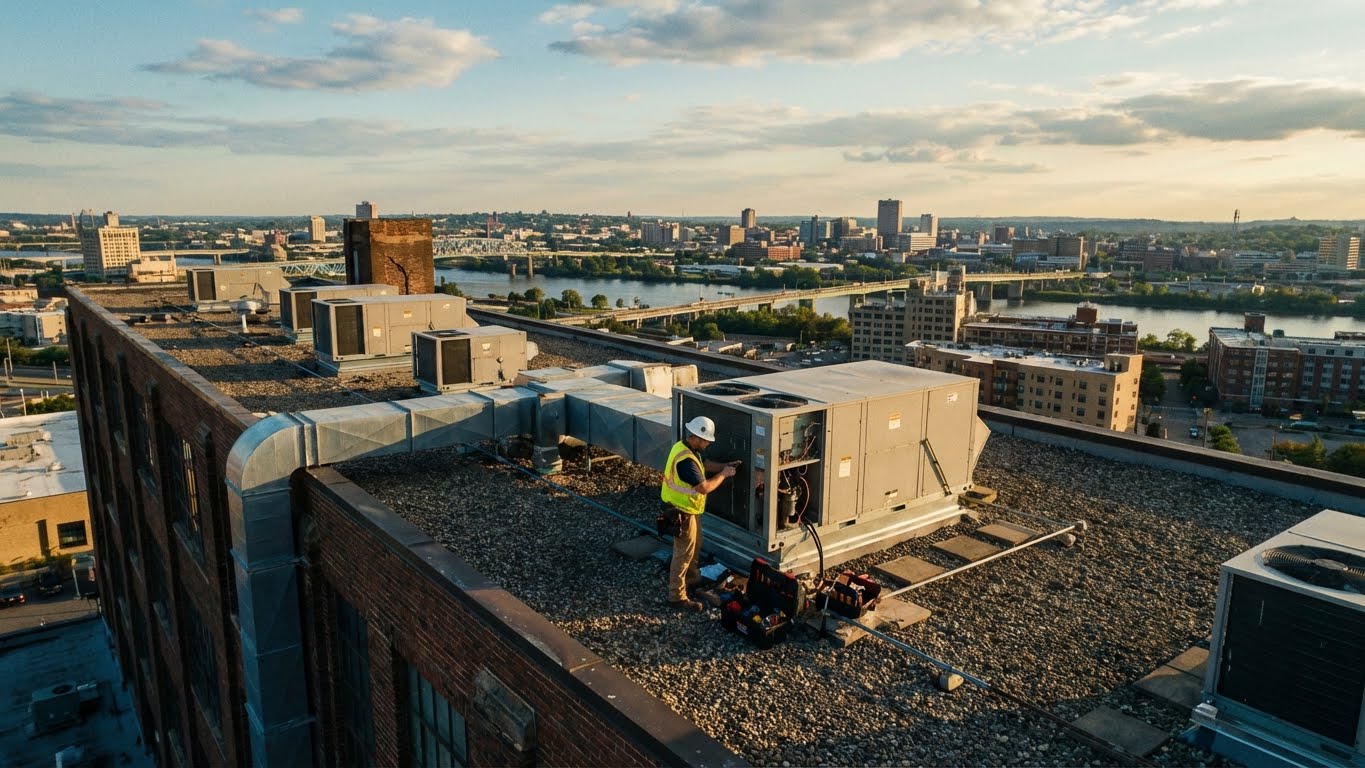
For example, imagine you serviced a rooftop HVAC unit last winter. If there’s no log or data to show the work, how do you know it was actually completed properly or that it solved any impending issues? If that unit fails in the summer, you’ll be left wondering if something was missed. Essentially, without documentation and metrics, you’re taking a guess that your preventive efforts are effective. Proof is power. It lets you verify that tasks are done and done right, and it provides a feedback loop to improve your maintenance strategy over time.
Proof is not just about satisfying your own curiosity; it’s crucial for accountability and decision-making. With solid maintenance records, you can justify budgets to owners or investors by showing the tangible benefits of your program. Stakeholders aren’t interested in “gut feelings,” they want to see numbers and outcomes. For instance, you could show that over the past year, your maintenance team performed 100+ scheduled tasks and prevented, say, 5 major breakdowns.
If each avoided breakdown saved $10,000 in repairs and lost income, that’s $50,000 saved, a powerful number to take into budget discussions. Data like this transforms maintenance from a cost center into a value-add. In fact, industry research consistently demonstrates that every dollar you invest in preventive maintenance yields about $4 in savings by avoiding future repairs or replacements. That 4:1 payoff is proof in itself that a documented program works.
Keeping proof can protect you in other ways: manufacturers often require maintenance logs to honor warranty claims, and insurance or safety inspectors might ask for evidence that systems (like fire sprinklers or elevators) are serviced regularly. When you can pull up records in seconds, you’re not only maintaining your property, you’re also maintaining your credibility as a manager who leaves nothing to chance.
Embracing Preventive Maintenance Software for
Data and Efficiency
As your preventive maintenance program grows, you might find that managing all those schedules, checklists, and records by hand becomes a challenge – especially if you oversee multiple properties or a large team. This is where preventive maintenance software steps in as a game-changer. Simply put, preventive maintenance software (often part of a broader property or facility management platform) is a tool designed to organize and automate all the tasks we discussed, in one centralized system.
It takes the burden of remembering and manual tracking off your shoulders. For example, instead of you manually checking calendars and emailing reminders for upcoming tasks, the software can automatically send alerts: “Time to inspect Roof Unit 3, due this week.” You or your engineers can then use a smartphone or tablet on site to pull up the specific checklist, complete the work, and log the results right there. The moment the task is marked done, it’s recorded with a timestamp and even photos or notes if needed, creating instant proof of service.
One of the biggest advantages of using preventive maintenance software is the data and reporting it provides. All those individual task records you collect don’t just sit in a filing cabinet; the software aggregates them into meaningful information. You can generate reports that show trends like “maintenance costs per building per month” or “number of tasks completed vs. missed” or “equipment downtime hours this year compared to last.” These reports are incredibly helpful when you need to demonstrate the value of your work to owners or when planning budgets.
For instance, you could show that since implementing the software and a strict PM program, emergency repairs dropped by 30% and energy consumption fell by 15% – hard evidence that justifies continued investment in maintenance. And a digital system ensures nothing falls through the cracks. It’s common for busy property managers to lose track of a maintenance item here or there, especially if you’re juggling spreadsheets or sticky notes. Software won’t forget. It will keep nagging until the task is done and logged.
It also stores all documentation in one place, so if an auditor or insurer asks, “How do we know the fire alarms were tested last quarter?”, you can pull up the certificate or work order in seconds. The confidence you gain from having every detail at your fingertips is huge. Plus, many modern platforms are cloud-based, meaning you can access your maintenance dashboard from anywhere – whether you’re at the office, at home, or walking a property. This level of organization and accessibility supports you as a property professional, making a complex job much more manageable.
From Guesswork to Confidence
Transitioning from a reactive or undocumented maintenance approach to a proactive, proof-driven one might feel like a big step. Fortunately, it is completely achievable, and the rewards are well worth the effort. You have seen how preventive maintenance software can take the guesswork out of daily operations. When you move from hoping to knowing, your building becomes more reliable. A consistent investment in routine care helps you avoid disruptions, reduce costs, improve safety, and build trust with the people who rely on your spaces. With the ability to verify every task, you are not just staying ahead of problems. You are building a documented record that shows the true value your team delivers.
This is where Cove stands out. Cove brings preventive maintenance, vendor coordination, access control, tenant communications, and operational workflows into one unified platform. It is designed to support the way commercial properties operate in the real world, without forcing you to juggle multiple systems. With Cove, you can create maintenance schedules, automate reminders, track task completion, and generate clear reports. At the same time, you can manage building entry, monitor on-site activity, and keep everyone aligned in one place. When a technician finishes a task, the record is there. When a vendor checks in, it is logged. When someone asks whether an inspection was completed, the answer is immediately available. Cove gives you the tools to manage preventive maintenance with visibility, structure, and confidence.
You are not just maintaining equipment. You are creating consistency, strengthening your operations, and building trust across your properties. Cove gives you the platform to do all of that in one connected system. If you are ready to stop guessing and start proving, Cove is ready to support you.


.png)