
.png)

A modest increase in tenant satisfaction can raise lease renewal likelihood by about 8% and significantly cut the chances of that tenant moving out. The message is simple, when your tenants are happy, they stay, saving you money and stabilizing your property’s income.
So how can you keep tenants happy and committed as we head into 2026? Below are the top five tenant retention strategies for commercial office, retail, life science, and industrial properties.
1. Prioritize Proactive Maintenance and Upkeep
Keeping the building in excellent working order is foundational to tenant satisfaction. Few things frustrate tenants more than leaky ceilings, broken HVAC systems, or slow repairs. In fact, maintenance issues are cited as the #1 reason tenants become dissatisfied with their landlords. One survey found 68% of tenants listed poor maintenance as a primary complaint. You can prevent this by moving from a reactive to a proactive maintenance approach.
Start by implementing regular inspections and servicing for critical systems (HVAC, elevators, plumbing, etc.) so you catch issues before tenants even notice them. Create a clear schedule for preventative maintenance and stick to it. Just as importantly, establish a responsive work order system for tenant requests. Whether it’s an online portal or a mobile app, these systems help ensure no complaint falls through the cracks. Tenants should have an easy way to report problems and track progress on a fix. Once a request comes in, communicate your plan and timeline for the repair, and then follow through promptly. Showing this level of care signals to tenants that their comfort and business continuity are top priorities.
Actionable Tips: Consider setting firm response-time goals (e.g. acknowledge requests within a few hours and resolve most issues within 24-48 hours). Keep a roster of reliable contractors for quick dispatch on specialized repairs.
For multi-tenant buildings, you might even schedule periodic “maintenance check-ins” with each tenant to ask if anything needs attention. By demonstrating professionalism in upkeep, you not only fix problems faster but also prevent many issues outright. A well-maintained property is a visible indicator of a quality tenant experience and helps boost tenant well-being and confidence in your management. Whether it’s an office high-rise, industrial park, or class b office, no tenant wants to stay in a building that feels neglected, so make preventative maintenance your first line of defense in tenant retention.
2. Strengthen Communication and Responsiveness
Communication is the lifeblood of tenant relationships. When tenants feel heard, informed, and respected, they are far more likely to renew their lease. On the flip side, poor communication is a fast track to frustration with over half of tenants (53%) report communication issues as a major complaint about their landlord or property manager. The good news is that improving communication is very achievable with some deliberate effort and tools.
Start by establishing clear, consistent channels for updates and dialogue. Don’t let your tenants be the last to know about building changes or maintenance work. Send regular updates about anything that might affect them, from upcoming renovations or fire alarm tests to new amenities or policy changes. Many property managers find success using modern commercial property management software to streamline this process. Emails, text alerts, or app notifications can ensure messages reach tenants quickly (and record that they were sent). In today’s connected world, most tenants actually prefer digital updates. Using a modern tenant communication app can meet this expectation and keep everyone on the same page.
Responsiveness is equally crucial. Make it easy for tenants to contact management with questions or concerns, and commit to timely responses. You might set a standard like “respond to all tenant inquiries within one business day” as a baseline. Even if you can’t resolve an issue immediately, acknowledge the message so the tenant isn’t left in the dark. Being responsive shows respect and builds trust. One effective practice is to actively solicit tenant feedback on a regular basis For example, using a tenant experience platform to send quick satisfaction surveys or have management do quarterly check-in meetings with each tenant. This not only identifies issues early but also demonstrates that you care about their experience. When tenants do raise an issue, address it and let them know what steps you’ve taken, closing the feedback loop.
By communicating frequently and transparently, you create an environment of no surprises and no ignored voices. Tenants in an office or lab facility want to know about anything affecting their operations (like elevator maintenance or cleaning schedules), and retail tenants appreciate heads-up on events or foot-traffic initiatives. Proactive communication gives tenants confidence that management is competent and has nothing to hide. In turn, that confidence makes them more comfortable staying in your building long-term. Simply put, when you treat tenants as valued partners keeping them informed and responding to their needs , they feel more loyal to your property.

3. Upgrade Amenities and Embrace Technology
Modern tenants expect more than four walls and a roof. They’re looking for convenience, comfort, and connectivity in the places they lease. This is true across property types: office tenants want attractive spaces and services that entice employees to come in, retailers seek well-maintained common areas and foot traffic drivers, life science companies need state-of-the-art facilities, and even industrial tenants value smooth operations and on-site amenities for staff. Delivering on these expectations through upgraded amenities and technology can significantly improve retention. In fact, a recent survey of office occupiers found 85% now expect enhanced amenities in their buildings and 87% prioritize properties with good transit access for employees’ convenience. Amenities are no longer add-ons, they’re strategic necessities.
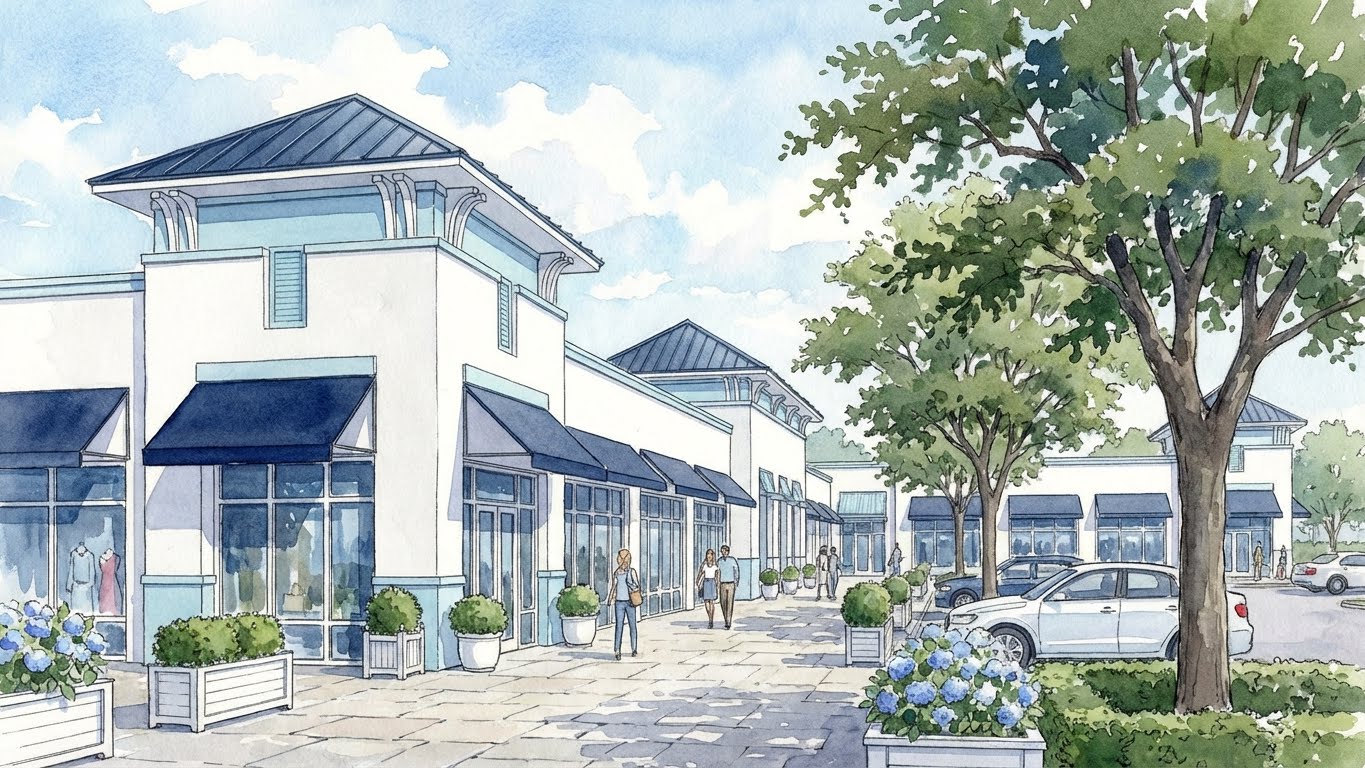
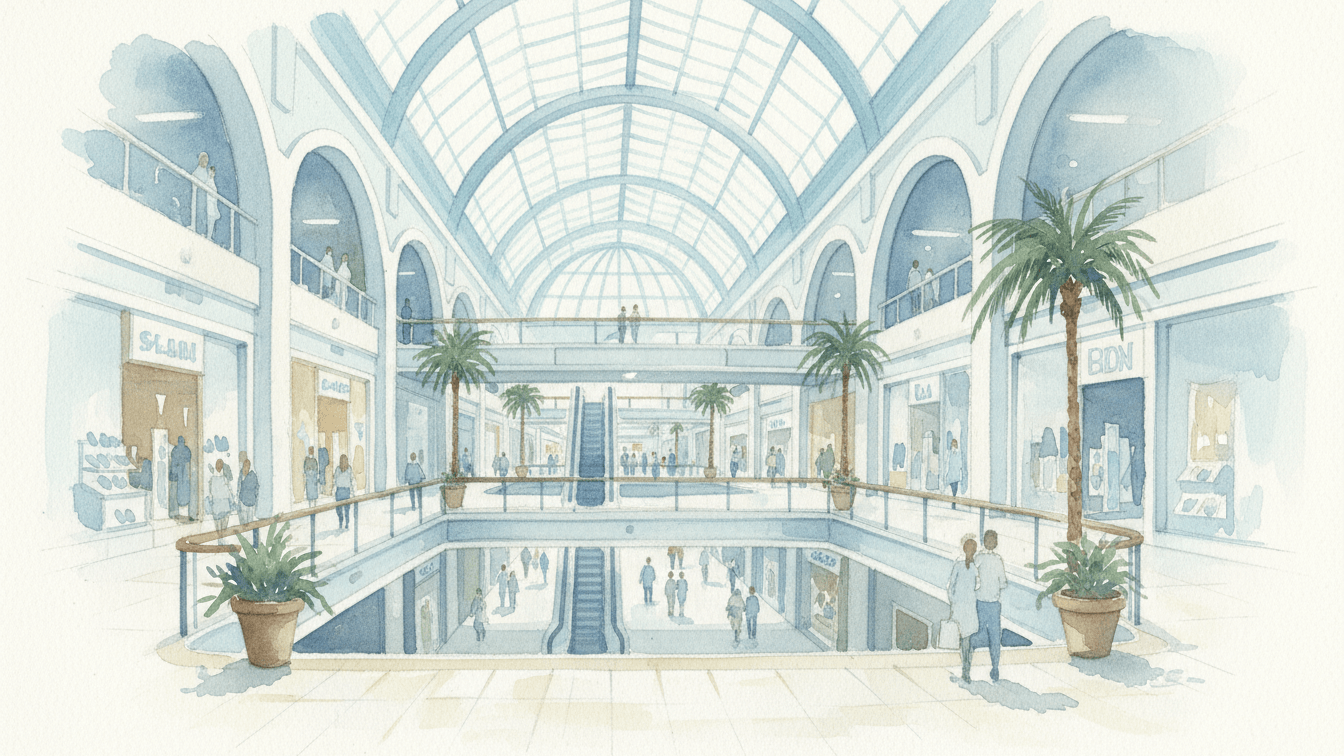
Begin by evaluating your property’s amenity mix. Are you offering the kinds of features today’s tenants and their employees value? Popular amenities in offices include fitness centers or yoga rooms, tenant lounges, cafés, and flexible collaboration spaces. For retail centers, amenities might be attractive seating areas, family-friendly spaces, ample parking and lighting, or event spaces that draw in crowds.
Life science facilities often benefit from perks like on-site cafeterias, outdoor green space, wellness rooms, or nearby daycare. Things that help scientists and researchers balance intense work with comfort. Industrial properties can focus on functional amenities: efficient loading docks, 24/7 security, driver lounges, or even food truck days for workers. Upgrading key amenities shows tenants that your property is keeping up with the times and supporting their success. It doesn’t always require massive investment; even small improvements (new furniture in common areas, better signage, added bike racks or EV charging stations) can make a positive impression.
Equally important is embracing technology solutions that make building use easier and smarter. Consider implementing a tenant experience platform or app that allows tenants to do things like access the building with a mobile credential, book shared spaces or amenities, receive updates, and submit requests all in one place. Providing fast, reliable connectivity (high-speed internet, strong Wi-Fi coverage) is basically mandatory now, and forms the backbone for other smart building features.
Keep in mind that basic comfort and safety needs come first. All the fancy lounges in the world won’t retain tenants if the elevators don’t work or the building feels unsafe at night. So, invest in core building systems (climate control, security cameras/access control, clean and well-lit spaces) as the foundation, then layer on the extra amenities. When done right, amenities and tech enhancements can directly influence retention. Companies are even requiring better workplaces to bring people back.
65% of companies now mandate employees return to office and emphasize improved workplace environments to encourage it. By offering things like on-site fitness options, comfortable common areas, great connectivity, and maybe some unique perks (e.g. tenant-exclusive events or discounts), you give tenants tangible reasons to stay. They know their employees will be happier and more productive in your building, which makes renewing the lease an easy choice.
4. Foster Community and Tenant Engagement
People don’t just rent space, they become part of a community in your building. Cultivating that sense of community can significantly boost tenant loyalty. Especially in the wake of remote work trends, many companies see the office as not just a place to work, but a hub for collaboration and culture. According to workplace studies, employees view the office’s main purpose now as a center for teamwork, social interaction, and relationship-building. In retail environments, brick-and-mortar spaces are places for experiences and local connections. If you, as the property manager or owner, help enable these positive interactions, tenants will appreciate your property as more than just real estate, it becomes a place where their own business or employees can thrive socially.
How can you build community? One strategy is to organize regular events or programs that bring tenants (and their employees) together. For an office building, this could be monthly tenant breakfasts, holiday mixers, fitness classes, or lunchtime seminars with guest speakers. Some office property managers host happy hours or “lobby meet-and-greets” where different companies in the building can network.
If you operate a retail center, consider community events that draw foot traffic. For example, weekend markets, outdoor movie nights or charity drives hosted at your property. This not only helps your retail tenants by bringing in customers, but also fosters a collaborative spirit among the store owners.
Industrial parks and life science campuses can benefit from engagement too: perhaps a quarterly barbecue for all tenant companies, or forming a tenants’ association that meets to share feedback and ideas for park improvements. Even a simple newsletter spotlighting different tenant businesses can help everyone feel part of a community.
Another facet of engagement is creating inviting shared spaces. Does your building have a lobby or courtyard where people actually want to linger and interact? Investing in comfortable seating, pleasant décor, maybe background music or art, can encourage tenants to step out of their individual suite and connect with others. When tenants form relationships with each other, they feel more rooted and less likely to leave – the property becomes a unique ecosystem they enjoy being part of. You can even facilitate networking by introducing tenants who could do business together (for instance, a biotech startup to a nearby legal firm in the building). Little gestures like seasonal tenant appreciation events (free coffee day, an ice cream truck visit in summer, etc.) also go a long way to show you value them.
Critically, fostering community shouldn’t feel forced. Offer opportunities, but keep them voluntary and fun so that tenants participate out of genuine interest. Over time, a positive community reputation can become a selling point for your property. Happy tenants often share their positive experiences, attracting others and building a virtuous cycle of occupancy. The goal is that your tenants see the building as more than just walls, but as a supportive environment cultivated by a landlord who cares. That emotional connection can often tip the scales in favor of a lease renewal, even if a competing building offers a slightly lower rent. Engaged, connected tenants are loyal tenants.
5. Gather Feedback and Continuously Improve
Tenant retention is not a one-and-done project. It’s an ongoing process of improvement. The best property managers treat retention strategies as continually evolving, adjusting to tenant needs and market changes. To do this effectively, you need to gather feedback and data on what’s working and what isn’t, then act on it. By creating a feedback loop with your tenants, you not only catch issues before they escalate, but you also make tenants feel heard and involved in shaping their environment. This sense of partnership can significantly increase their commitment to stay.
Start by implementing a way to measure tenant satisfaction regularly. This could be as informal as chatting with tenant contacts each month, or as structured as sending out quarterly satisfaction surveys. Some landlords use anonymous suggestion boxes (physical or digital) to solicit honest feedback. Others hold an annual tenant meeting or open forum. Choose whatever method fits your building’s culture, but do make it routine. For instance, you might send a short survey after every completed maintenance request to gauge the service quality, or an annual survey covering various aspects like cleanliness, security, amenities, etc.
If you have a tenant experience app, take advantage of any analytics it provides, such as tracking how often tenants use certain amenities or attend events, to understand what they value most. Data points like foot traffic in common areas or booking rates for conference rooms can reveal patterns about what enhancements might be needed.
The crucial next step is to actually act on the feedback. If tenants consistently complain about a particular issue (say, the parking garage lighting is poor, or the restroom soap dispensers keep breaking), prioritize fixing it and then let tenants know you did. This shows you take their input seriously.
Similarly, if your survey finds that an amenity isn’t being used, ask tenants why. Maybe it’s a good feature but not properly advertised or accessible. Or if tenants express interest in something new), explore ways to implement it. Property managers who actively use tenant feedback to drive improvements often see higher retention, because tenants recognize their voices lead to real change. It transforms the relationship from landlord-tenant into something more collaborative.
Being data-driven also means staying abreast of broader trends. Keep an eye on market surveys and research (many industry reports, like the annual “What Occupiers Want” survey, can shed light on evolving tenant preferences). For example, if studies show a rising demand for sustainability features or hybrid-work support, consider investing in those areas to stay competitive. By continuously tweaking your services and offerings, you ensure your property never falls behind what tenants can get elsewhere. Remember, many tenants leave in search of “better quality space” or more modern features, but if you’re proactively upgrading quality and features based on feedback, you give them little reason to look elsewhere.
Bottom line: make improvement a continuous cycle. Solicit feedback, analyze data, implement changes, and communicate back to tenants about what you’ve done. This not only solves problems but also builds tremendous goodwill. Tenants feel respected when they see their suggestions taken to heart. Over time, they’ll realize that staying with you means their needs will continue to be met, even as those needs evolve. That confidence in your adaptability can secure long-term renewals and even turn tenants into advocates for your property.
Turn Strategy into Long-Term Success
Focusing on tenant retention is one of the smartest moves you can make in 2026. You’ve seen that keeping tenants happy through great service, amenities, engagement, and adaptability directly translates into higher renewals and a healthier net operating income. Now it’s time to put these strategies into action.
Don’t be afraid to leverage technology and expert partners to help execute these retention strategies. Modern tenant management software can simplify a lot of the processes discussed here. For example, an all-in-one tenant experience platform can enable faster maintenance responses, send instant updates to all tenants, host a community events calendar, and provide analytics on usage. Tying together maintenance, communication, amenities, engagement, and feedback in one hub. Utilizing a platform such as Cove’s tenant experience software can make it much easier to deliver the proactive service and convenience that today’s tenants expect. By equipping yourself with the right tools, you ensure that these top strategies don’t just remain ideas on paper, but become part of your building’s daily operations.
By prioritizing your tenants’ needs and continuously enhancing their experience, you set your property apart. Whether you manage an office tower, a retail center, a lab facility or an industrial park, the principle holds true: when you make tenants feel valued and supported, they’ll reward you with loyalty. In a challenging commercial real estate landscape, that loyalty is more valuable than ever. Here’s to keeping your tenants happy, engaged, and renewing for many years to come.

.jpeg)